Spring Storm Damage Roof Repair With Local Service Providers
Spring is the perfect time to connect with local contractors who can repair storm-damaged roofs and restore your home's safety and curb appeal.
Spring is a popular season for addressing storm-damaged roofs because the weather begins to stabilize after winter’s harsher conditions. During the colder months, storms and heavy snowfall can cause significant damage to roofing structures, leading to issues such as missing shingles, leaks, or weakened support. As the season changes, property owners often take the opportunity to assess any storm-related damage and plan necessary repairs to ensure their roofs are prepared for upcoming seasons. Spring’s milder weather provides a more suitable environment for repair work, allowing local contractors to perform inspections and repairs safely and effectively.
Roof repair services typically cover a range of issues resulting from storm damage. Commonly addressed problems include replacing or repairing broken or missing shingles, fixing leaks caused by damaged flashing or decking, and reinforcing weakened roof structures. In some cases, repairs may extend to addressing underlying issues like damaged gutters or ventilation systems that can contribute to ongoing problems. Local contractors often provide comprehensive assessments to identify all storm-related damage and recommend appropriate repairs to restore the roof’s integrity and protect the property from future weather events.
For property owners seeking the right service provider, comparing local contractors involves evaluating their experience, reputation, and scope of services. It’s helpful to review credentials such as customer feedback, industry experience, and the types of storm damage repairs they specialize in. When choosing a provider, consider how well their services align with the specific needs of the property, ensuring they can handle the scope of work required. By gathering information about multiple local options, property owners can make informed decisions and select the most suitable service providers to handle storm-damaged roof repairs efficiently and effectively.
Compare local contractors' expertise and prioritize your spring storm damage repair needs to find the best fit.
- Assessing Storm Damage - Local contractors can evaluate your roof to identify signs of storm-related damage.
- Repair and Restoration - Experienced service providers can perform necessary repairs to restore roof integrity.
- Material Replacement - Contractors can replace damaged shingles or roofing components affected by storm impact.
- Preventive Maintenance - Local pros can advise on measures to protect your roof from future storm damage.
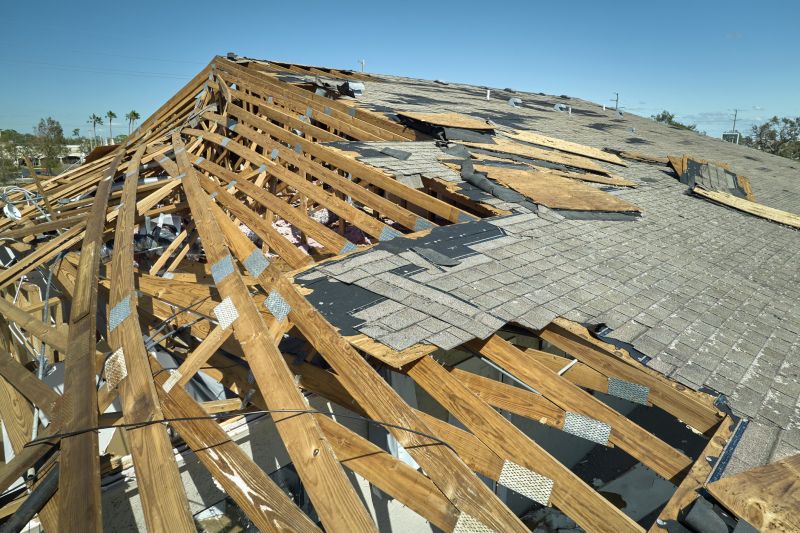
Before comparing options, clearly describe your storm-damaged roof repair project to connect with trusted local contractors.
- Inspect the roof for missing or damaged shingles caused by storm impact. - Look for areas where shingles are lifted, cracked, or completely torn off.
- Check for signs of water intrusion or leaks inside the attic or ceiling. - Notice any water stains, mold, or damp insulation that indicate roof damage.
- Examine the roof’s flashing and sealants for cracks or gaps. - Ensure that flashing around vents, chimneys, and edges is intact and properly sealed.
- Assess the overall roof structure for sagging or warping. - Look for areas where the roof may have shifted or weakened due to storm damage.
- Review gutters and downspouts for debris or blockages caused by storm debris. - Clear any obstructions that could hinder proper water drainage from the roof.
- Contact local contractors experienced in storm damage repair for a professional assessment. - Connect with service providers who can evaluate and address storm-related roof issues.
Use this to explore how local contractors can help restore your roof after spring storm damage.
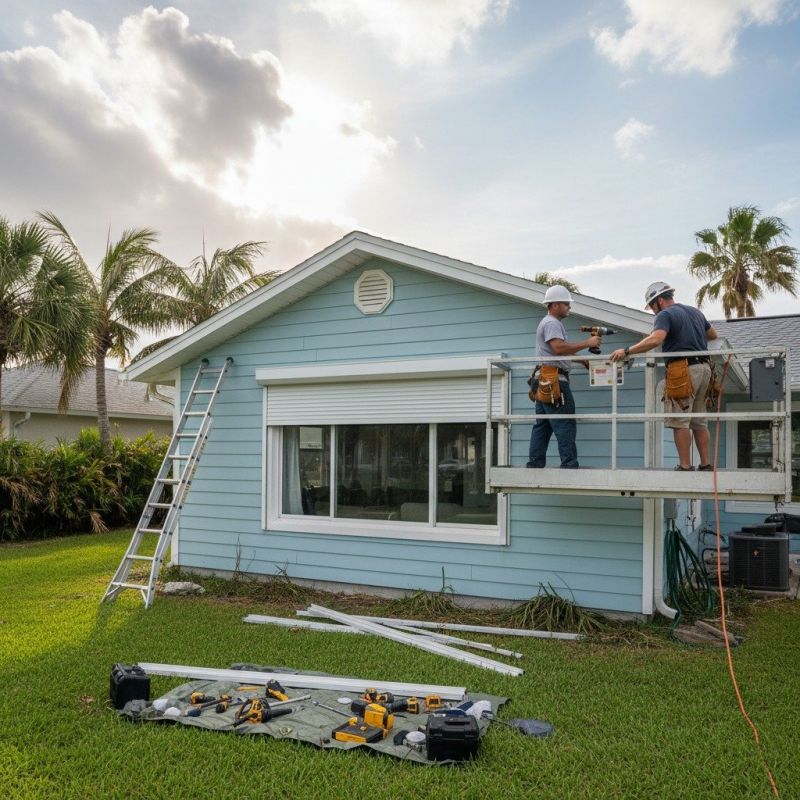
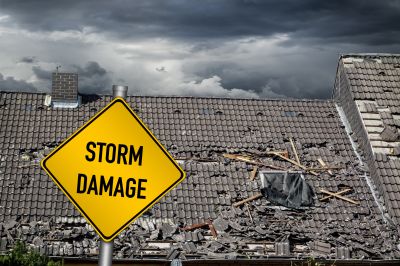
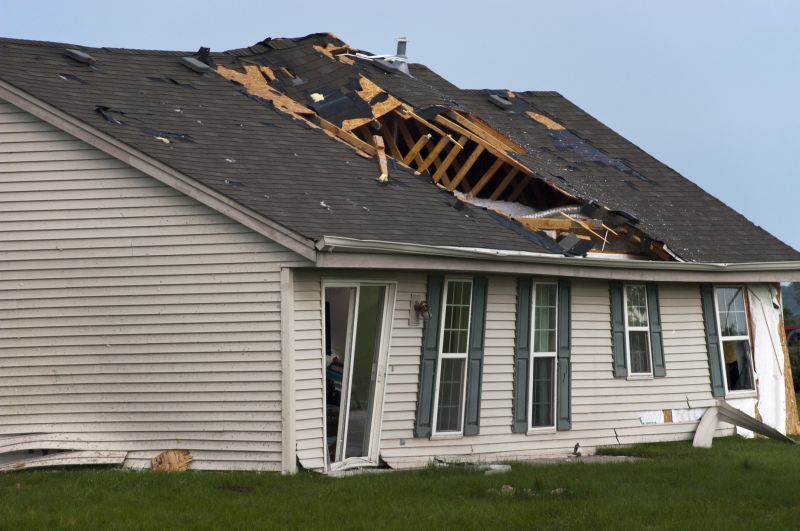
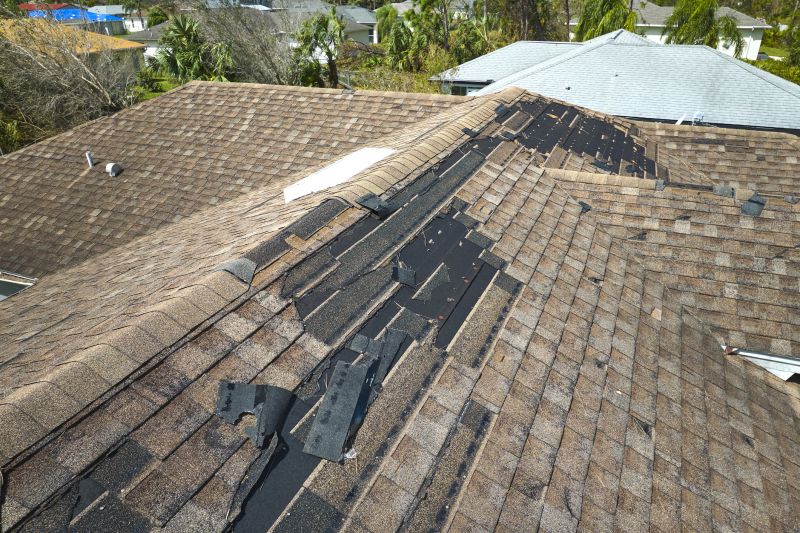
Prioritize your storm-damaged roof repair needs and compare local contractors to find the best fit for your spring project.
- Assessing Storm Damage - Spring is a common time to evaluate roof damage caused by winter storms, and local contractors can provide thorough inspections to identify issues.
- Replacing Missing or Damaged Shingles - Repairing or replacing shingles affected by storm debris helps restore roof integrity and prevent leaks.
- Reinforcing Roof Structure - Spring projects may include strengthening weakened rafters or supports damaged during storms to ensure long-term stability.
- Cleaning and Debris Removal - Clearing fallen branches, leaves, and other debris from the roof surface can prevent further damage and prepare for repairs.
- Installing Storm-Resistant Features - Adding features such as reinforced shingles or protective barriers can improve a roof’s resilience against future storm activity.
Compare local contractors' storm-damaged roof repair services to ensure consistent standards across providers during your spring restoration planning.
- Extent of Damage - Define the areas and severity of storm-related damage to the roof.
- Material Conditions - Assess the current condition of roofing materials and identify any missing or compromised components.
- Structural Integrity - Evaluate the roof’s structural elements for potential damage or weaknesses caused by the storm.
- Water Intrusion - Determine if there are signs of water leaks or entry points resulting from storm damage.
- Repair Scope - Clarify the specific repair or replacement work needed to restore the roof’s functionality and safety.
When comparing service providers for storm-damaged roof repair during the spring season, it is important to consider their experience with similar projects. Homeowners should look for local contractors who have a history of successfully handling roof repairs caused by severe weather events. An experienced professional will understand the unique challenges posed by storm damage, such as assessing structural integrity, identifying hidden issues, and managing repairs efficiently. This background can contribute to a smoother process and help ensure that the repair work addresses all necessary areas effectively.
Clear communication about the scope of work is essential when evaluating options. Homeowners should seek out service providers who can provide a detailed written description of the repair plan, outlining what will be done to restore the roof and what materials will be used. A well-defined scope helps set expectations and minimizes misunderstandings. It also allows homeowners to compare different contractors’ approaches and ensure that each proposal covers the necessary repairs without unnecessary additions or omissions.
Work planning considerations are another key factor in selecting a local contractor. Homeowners should inquire about how the service provider plans to coordinate the repair process, including project timelines, material delivery, and coordination with other trades if needed. A professional contractor will consider seasonal weather patterns and plan work accordingly to avoid delays caused by spring rain or fluctuating temperatures. Understanding their approach to scheduling and project management can help homeowners feel confident that the repair will be completed efficiently and with minimal disruption.
Finally, evaluating options involves assessing each service provider’s reputation, communication style, and overall approach to storm damage repair. Homeowners can review references or seek recommendations from trusted sources to gauge the reliability and quality of work. It is also helpful to consider how clearly each contractor explains their process and how responsive they are to questions or concerns. By focusing on experience, scope clarity, and work planning, homeowners can make informed decisions when choosing local pros to restore their roofs after storm damage during the spring season.
Request written details from service providers to ensure the scope of storm-damaged roof repairs aligns with spring renovation plans.
- Spring Roof Repair Services - What questions should be asked to compare the scope of storm damage repair offered by different local contractors?
- Storm Damage Scope Clarification - How do local service providers define the extent of repairs needed after a storm?
- Repair Approach Comparison - What methods do local contractors use to address roof damage caused by spring storms?
- Material and Repair Scope - How do local pros determine which roofing materials and repair tasks are included in their storm damage services?
- Experience and Specialization - What experience do local service providers have in handling storm-related roof repairs during spring?
What are signs of storm damage on a roof? Common indicators include missing or lifted shingles, visible dents or cracks, and water stains or leaks inside the home. Inspecting these signs can help determine if repairs are needed.
Why should storm-damaged roofs be repaired promptly? Addressing damage quickly can prevent further deterioration, reduce the risk of leaks, and protect the home's interior from water-related issues.
What types of repairs do local contractors typically perform after storm damage? They often replace missing or damaged shingles, reinforce weakened areas, and seal leaks to restore the roof's integrity and prevent future issues.
How can spring be a good time for roof repairs? Spring offers milder weather and longer days, making it an ideal season for inspecting, planning, and completing roof repairs before summer storms or other seasons arrive.
What should homeowners consider when choosing a contractor for storm damage repairs? It's important to review the contractor's reputation, experience with storm-related repairs, and ability to handle the specific needs of your roof.
How do local service providers assist with storm-damaged roof repairs? They evaluate the extent of damage, recommend appropriate repairs, and provide professional services to restore the roof's condition effectively.
Understanding the essentials of storm-damaged roof repair can help homeowners plan for spring restoration projects. Visitors have learned about common signs of storm damage, the importance of prompt assessments, and the variety of repair options available through experienced local contractors. This knowledge can support informed decisions when comparing service providers suited to specific needs.
To explore your options and connect with trusted local contractors skilled in storm damage repairs, consider using the quote form to compare available services. This process offers a straightforward way to find qualified local pros who can help address storm-related roof issues and support spring renewal efforts.
Providing clear details about your storm-damaged roof repair helps local contractors understand your project needs effectively.
- Description of damage - Details about the extent and type of storm damage to the roof.
- Roof material information - Information on the existing roof materials and any specific repair needs.
- Property details - Basic information about the property size and roof type to help match with service providers.
- Repair preferences - Any specific repair preferences or considerations to assist local contractors in planning the work.